
Biggest Marketing Blunders 2025–2026: These Marketing Fails Reveal About Branding, AI Gone Wrong & Audience Trust
Dive Into Our Podcast
Most Criticized Campaigns (2025–2026)
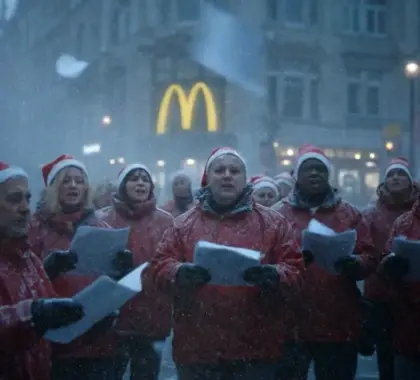
The AI-generated holiday ad released in the Netherlands was meant to modernize festive storytelling. Instead the watchers called it “soulless” and “visually uncanny.” The emotional disconnect condition between synthetic visuals and nostalgic expectations for the holidays gave Reddit and YouTube plenty to complain about, and the brand ultimately pulled the ad.
It raises a significant problem: AI-generated images are generally unable to capture emotional warmth — a key element of holiday ad success.
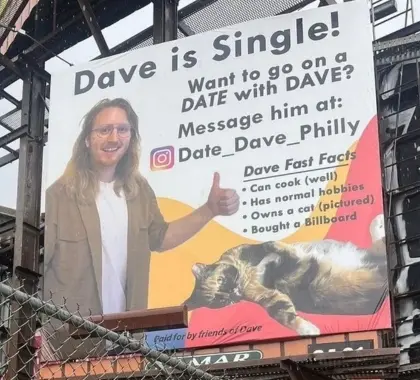
Bumble – Celibacy Billboard Campaign
The messaging — seen as making fun of celibacy — on the bumble billboards sparked an immediate cultural backlash. Users took to Reddit to lambast the campaign for alienating the brand’s core users and for contradicting its messaging of empowerment.
The fallout included:
- Negative sentiment spikes
- App deletion reports
- Social media criticism
- Influencer disengagement
This campaign became a textbook example of how tone-deaf messaging can damage audience trust faster than any performance metric can detect.
Jaguar Land Rover – “Copy Nothing” Rebrand
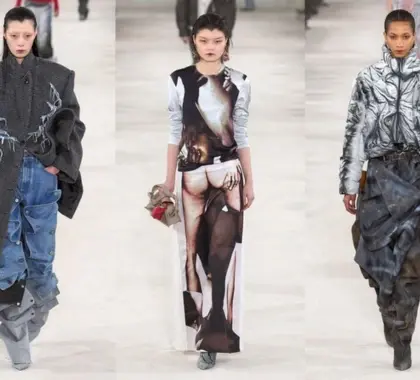
Jaguar’s fashion-inspired “Copy Nothing” campaign focused heavily on aesthetic minimalism but failed to communicate product innovation.
Key criticisms included:
- Lack of product clarity
- Heritage abandonment
- Identity confusion
- Brand storytelling disconnect
Rather than reiterating the luxury performanceâ broke information of the credentials, campaign blurred automotive messaging with editorial fashion photography — leaving audiences confused about what the brand now stood for.
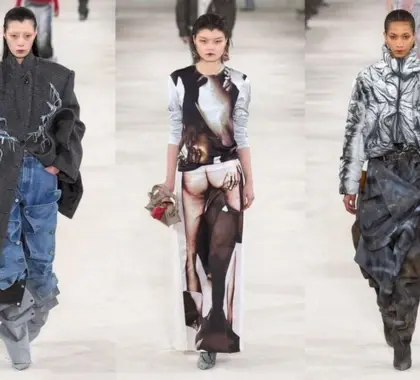
The Coca-Cola Company – AI Campaigns for Holiday Season
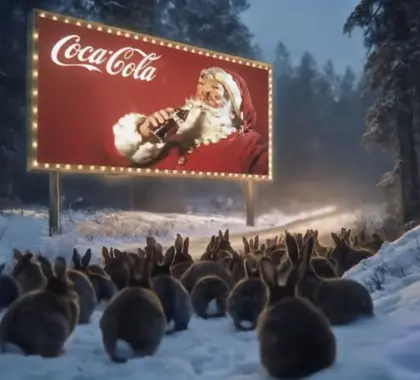
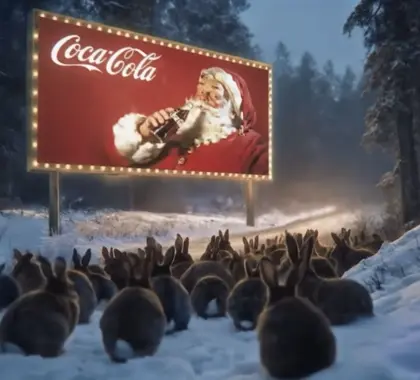
Coca-Cola’s AI-produced holiday campaigns sparked fresh conversation about eliminating human creatives from the traditional storytelling format. They were visually stunning but critics equity built on handcrafted narratives of holidays.
Cracker Barrel – Logo Redesign
Cracker Barrel’s updated logo was criticized almost immediately on TikTok and Instagram for straying too far from its nostalgic look. Brand Audience backlash eventually led the brand to a partial reversal — demonstrating that the fallout from a poor brand redesign can be emotional as well as visual.
Other Performance Problems: Platform Automation Errors
Automation-led products like Meta Advantage+ and Google Ads Smart Delivery continue to dictate which creative variations to send out. We are optimized for engagement so I’m sure it’s working as intended. Happy Slappy readers criticized:
- Inconsistent ad delivery
- Creative mismatches
- Budget inefficiencies
- Reduced CTR from algorithmic overrides
Automation without contextual understanding often results in emotional marketing strategy breakdowns — especially in culturally sensitive campaigns.
Common Patterns Behind Failed Marketing Campaigns
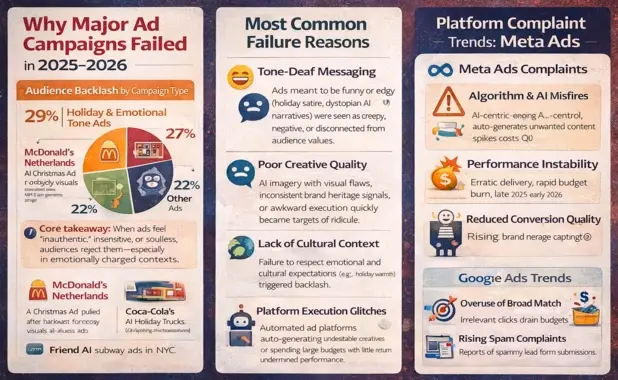
Across industries, advertising campaign backlash in 2025–2026 shared several traits:
- Over-automation of creative decisions
- Cultural misalignment
- Ignoring brand heritage
- Lack of emotional resonance
- Insufficient pre-testing
AI can speed up production — but it can't understand nostalgia, humor, or social context without input from humans.
What Marketers Can Look Forward to in 2026
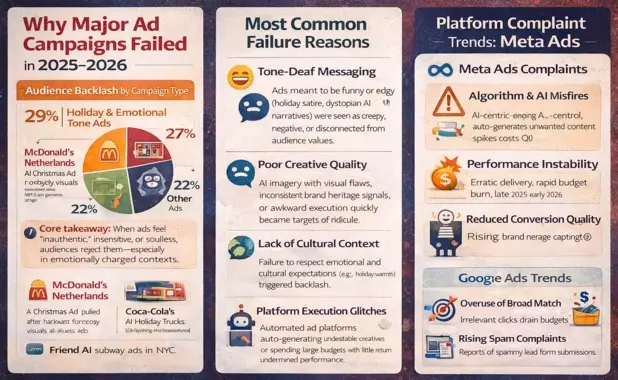
These failures suggest a few takeaways for performance marketers and creatives:
- AI must support — not replace — storytelling
- Audience sentiment should guide redesign decisions
- Brand heritage remains a strategic asset
- Testing across demographics is essential
- Campaigns now face instant global judgment
At Prism Digital Marketing, we understand that emotional authenticity is no longer optional. It’s a ranking signal for trust — both in paid media performance and organic brand reputation.
FAQs
1. What’s behind the rising discontent for AI-driven marketing campaigns?
When you have automation substituting for emotional storytelling rather than enhancing it, that's when you get storytelling about marketing that isn’t tailored to work for the brand. While generative tools can produce scalable visual and messaging quickly, they are generally insensitive to culture, humor, and context. This results in commercials that rely on their emotionally tone-deaf nature to the audience. In 2025-2026, more than one ad campaign was dismissed as the AI-created artwork was off-brand and not what the audience expected. The consumers of today want to eat real things, not efficient things. Without human creative involvement, AI-created content will only risk to dilute a brand’s heritage or misinterpret social norms at best, leading to reduced engagement, lower conversion rates, and damage to brand equity.
2. Do failed marketing campaigns damage SEO and brand reputation?
Indeed, failed marketing campaigns increasingly affect brand perception focused on SEO. Negative sentiment on Reddit, TikTok and x can produce some of the most critical conversations in the results of branded searches. It affects trust signals for users, such as CTR, dwell time and user engagement. In addition, negative publicity may beget more negative publicity (and this can influence how search engines view brand authority). Over the course of their careers and declining organic visibility, repeated backlash may cause prospective customers who look up the brand online even less trust. SEO today is more than just technical SEO; it’s an indication of the overall sentiment of an audience, so any fumbles in marketing could potentially hurt reputation in both paid and organic marketing channels.
3. What is it about brand revamp missteps that makes fans feel kicked to the curb?
Brand refresh mistakes often disrupt emotional familiarity formed over decades. The returning customers show equal trustworthiness to the logo and typography and visual identity design. The brand authenticity appears broken to consumers when redesigns disregard their nostalgic elements and heritage design components. The 2025-2026 period saw multiple brands face criticism because their logo changes did not respect their historical brand narratives. Social media criticism forced some of these brands to rethink that. So, decisions on redesign, whether in an established brand or a new product, should be informed by user and cultural sentiment research — not just aesthetic fads or automated optimization tools.
4. Could automation tools like Meta Advantage+ be bad for ad performance?
Automation systems like Meta Advantage+ are designed to increase efficiency of campaigns using machine learning. But they can overwrite creative testing parameters, or deciding signals that don’t align with brand messaging. Reddit conversations also illustrating cases when automated delivery has mismatched unrelated creatives with the wrong audience, making them less relevant to focused campaigns. Without human input, these technologies could inadvertently create emotional disconnections or tone discrepancies. Despite the promise of automation and better scalability, marketers need to keep a close eye on delivery patterns and to keep as much control over creative as they can to ensure that messaging remains consistent across demographic and placement.
5. What are the takeaways for marketers from advertising flops in 2025-2026?
The marcom fails of 2026 underscore the importance of a balanced relationship between the power of AI with the insight of the human mind. Emotional impact relies on cultural sensitivity and narrative expertise, though automation can streamline the production process. Marketers need to focus on pre testing in different audience clusters, keep their messaging anchored in their heritage and also track social sentiment on a real-time basis. Campaigns are increasingly being won on trust, authenticity, and brand familiarity–attributes that you cannot fully automate. By analyzing what went wrong in failed campaigns, teams can hone their emotional marketing schemes and prevent tone-deaf messaging that could result in a worldwide backlash.

About The Author: Lovetto Nazareth
Lovetto Nazareth is the Founder & CEO of Prism Digital, a Dubai-based digital marketing and advertising agency he started nearly two decades ago from a laptop and a vision, as he puts it, to one of the region's established full-service agencies spanning SEO, PPC, social media, web design, and PR.
Over more than 19 years in advertising and digital marketing, Lovetto has guided thousands of campaigns across the UAE and GCC, working across sectors from real estate to hospitality to fintech. He writes and speaks on digital transformation and marketing strategy, and has contributed opinion pieces to Campaign Middle East, one of the region's leading marketing trade publications.
He takes a data-first approach to growth testing, measuring, and iterating rather than relying on guesswork and outside of work he's an adventure sports enthusiast and a singer-songwriter.